General packed lunch information only; not medical, nutritional, financial, or legal advice.
Results may vary.
How to think about lunchbox ideas before you start packing
This page is not about perfect boxes; it is about patterns you can repeat. I walk you through choosing a base, layering components, and then rotating ideas so your lunches stay balanced, safe, and interesting over time.
Visual lunchbox templates you can copy and adapt
Each example lunchbox here follows the same quiet structure: a grain or starch, a protein
source, colourful produce, and a small portion of healthy fats, packed in containers that
respect your storage reality.
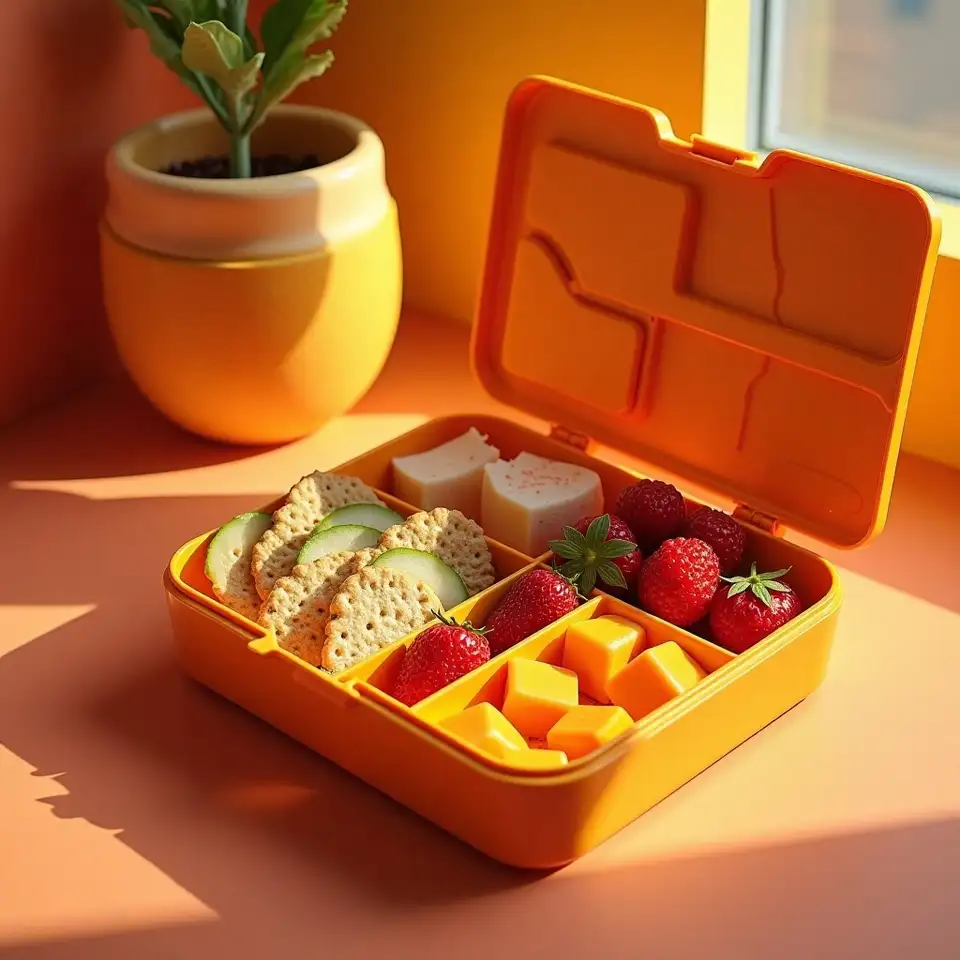
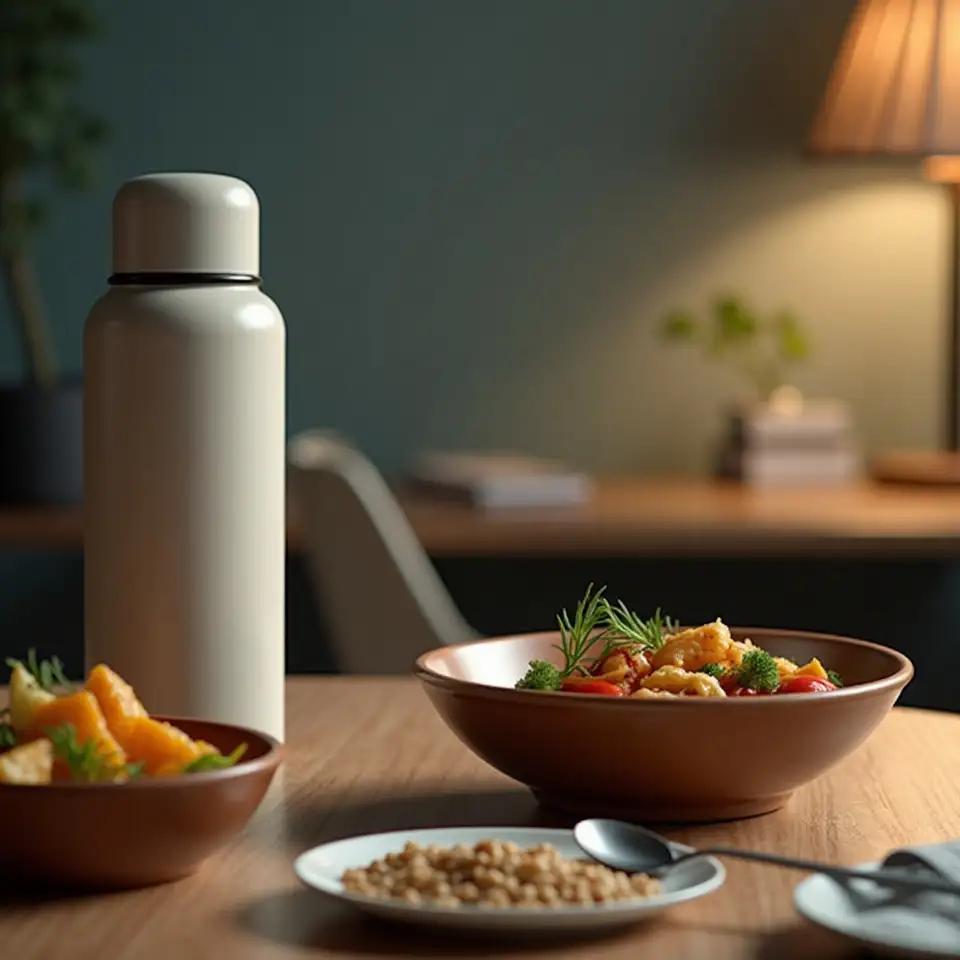
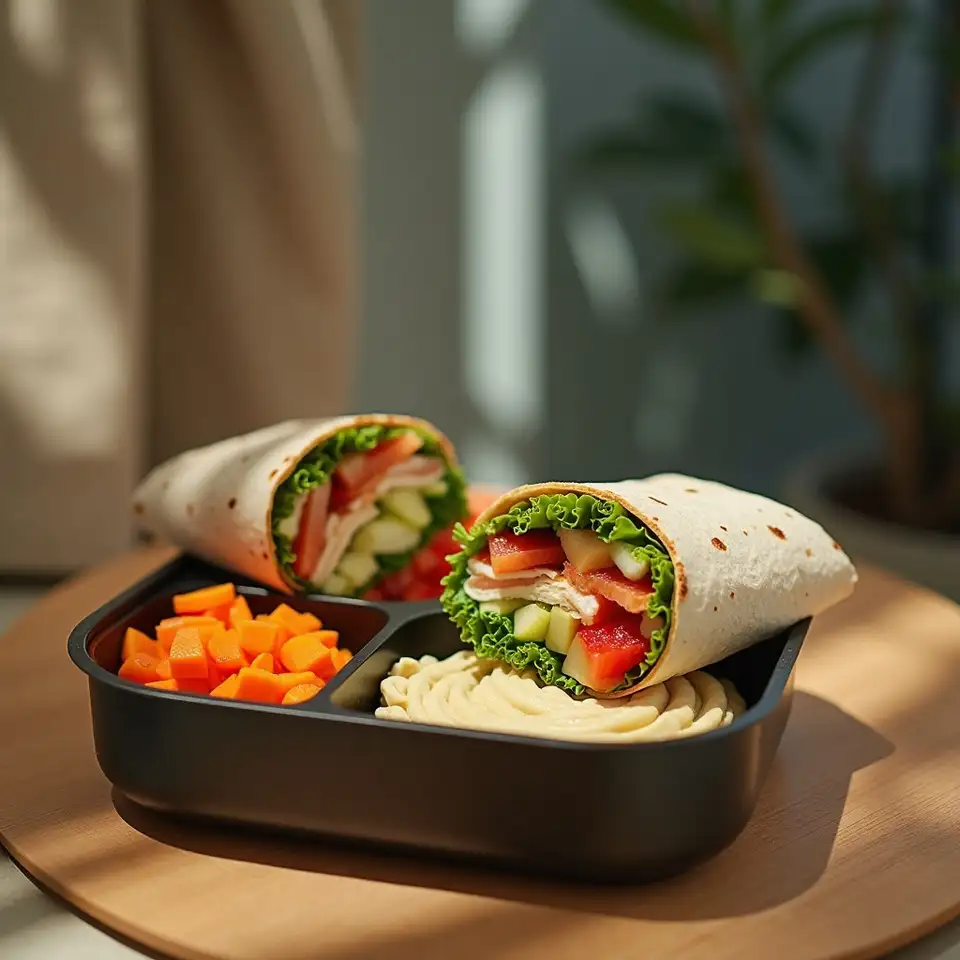
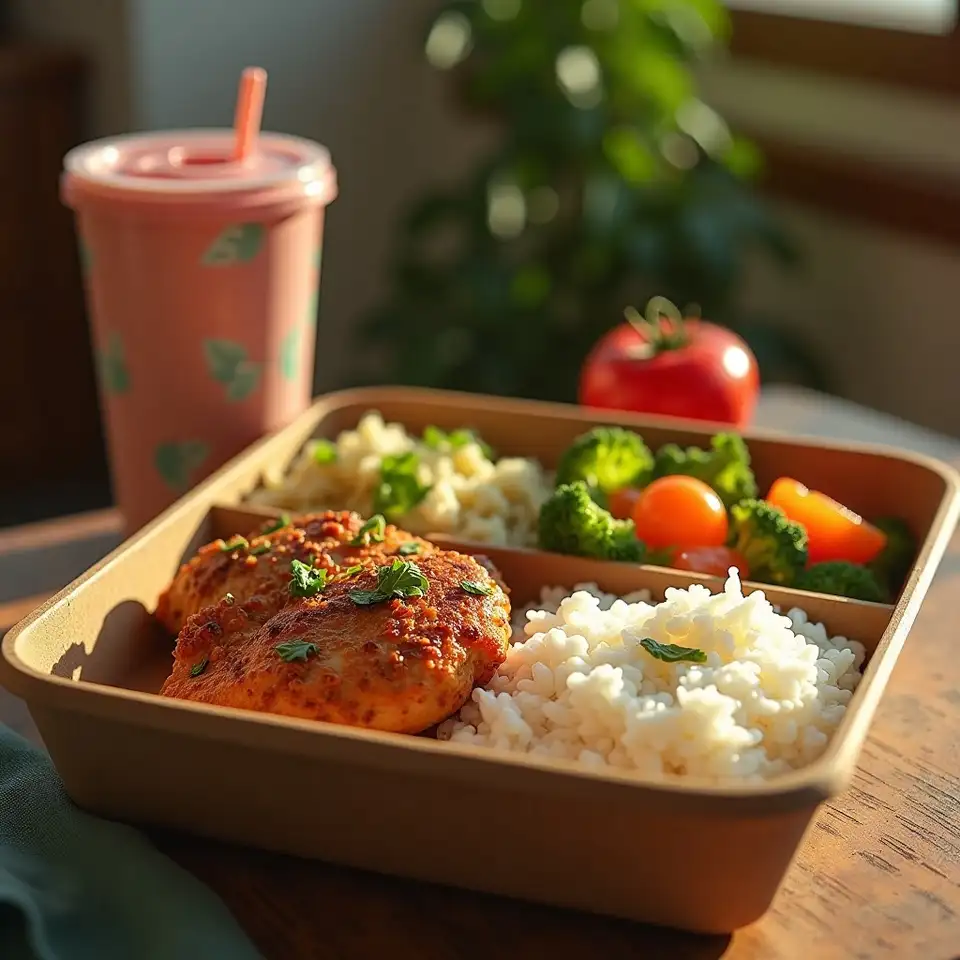
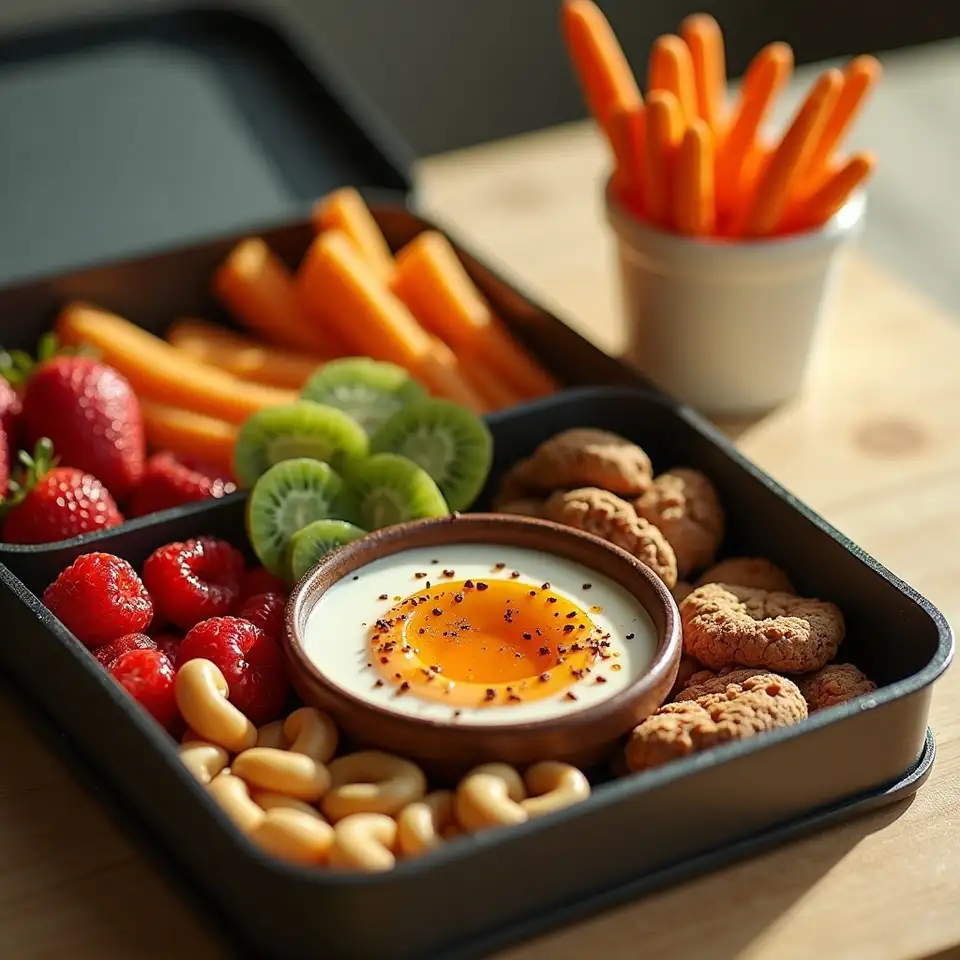

On this page I group lunchbox ideas by how you actually live: quick ten minute boxes
for rushed mornings, no reheat options for long school days, vegetarian sets, and
combinations that avoid common allergens. Each idea follows a simple balance pattern
and includes notes on storage, so you can match boxes to your real schedule instead
of forcing your day around a recipe. Use these as templates, not rules, and always
adjust for your own ingredients, preferences, and local guidance.
Why rotating structured lunchbox ideas changes everything
I know from my own kitchen that the hardest part of packed lunches is not one box, but the endless string of them. Rotating clear, themed ideas gives you structure without rigidity, so you can balance nutrients, reduce waste, and keep mornings sane.
Balanced variety across the week
When you rotate lunchbox themes across the week, you naturally cover different grains, proteins, colours, and healthy fats without tracking every detail. I group ideas into simple patterns, such as grain bowls, sandwiches, and snack style boxes, so each day feels familiar yet slightly different. This rhythm helps you avoid repeating the same two lunches while still relying on ingredients you know, like rye bread, rice, or flatbreads. Over time, this gentle rotation supports a more balanced intake of fibre, protein, and micronutrients, tailored to your own staples and preferences. You stay grounded in everyday foods instead of chasing constant novelty that is hard to maintain.
Practical tips for using these lunchbox ideas safely and effectively
1
Match each idea to real storage conditions
Before you copy any lunchbox idea, check how long it will spend at room temperature, whether there is access to a fridge, and how often the bag is opened. Choose ingredients that cope with those conditions, use insulated containers or ice packs when needed, and always follow local food safety guidance. When in doubt, keep high risk foods for days with better storage options and use sturdier choices on long, unrefrigerated days.
2
Use templates, then adapt with your own staples
Treat every lunchbox suggestion as a template, not a fixed rule. Swap grains, proteins, or vegetables for options that fit your culture, budget, and preferences while keeping the same overall balance. This flexibility helps you rely on pantry staples and seasonal produce, instead of hunting for specific items that add stress or cost.
3
Layer and separate foods to protect texture
Pack moist foods, such as dips or cut fruit, in separate small containers so they do not
soak bread or crackers during the day. Place heavier items at the bottom of the box, and
keep crisp elements away from sauces until it is time to eat. This simple layering keeps
textures more appealing and makes it more likely that the meal will be eaten.
4
Plan rotations that feel familiar, not repetitive
Rotate lunchbox ideas that share ingredients so you can prep once and use components
several times, but avoid repeating the exact same box on consecutive days. Small changes
in shape, seasoning, or side items keep meals from feeling monotonous while still saving
you time and effort.
5
Involve the eater in simple, meaningful choices
If you pack for someone else, invite them to choose between two or three options rather than designing the entire lunch alone. This might mean picking a vegetable, a dip, or a snack from a short list. Involvement often increases the chance that food will be eaten and gives you clearer feedback on which ideas are worth repeating.
Want help turning these ideas into your own weekly rotation
If these lunchbox ideas feel close to your life but not quite there, that is a good sign. It means you are ready to move from copying examples to shaping your own rotation. Reach out if you want a calm, focused conversation about how to adapt these patterns to your household, school, or workplace, always respecting your constraints and preferences.
Get tailored thoughts on your current lunchboxes
Share who you are packing for, how long lunches stay unrefrigerated, and which ideas on this page feel closest to your reality. I will respond with suggestions for how you might adapt or combine them in your own setting.
Co design a realistic lunchbox rotation
If you want deeper support, we can map a short rotation of ideas that match your storage, culture, and time limits. I focus on clear patterns, not rigid plans, so you can keep adjusting as life changes.
Turn ideas into practical guidance for groups
For schools, workplaces, or community projects, I can help translate these idea sets into simple guides that families and colleagues actually use, always with clear notes that results may vary.